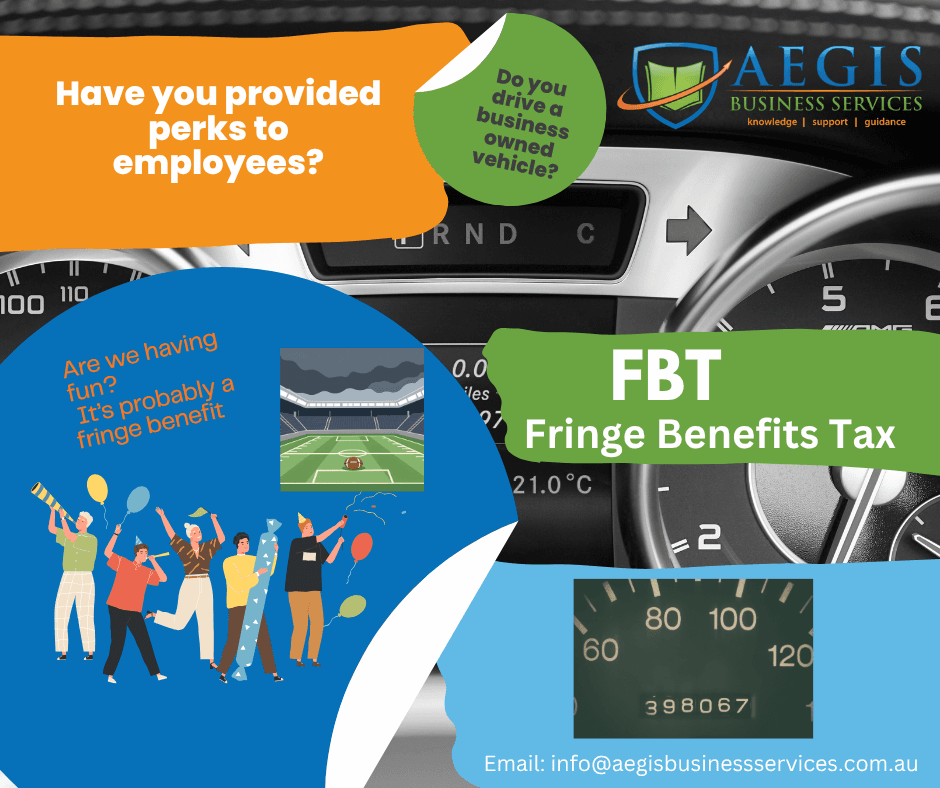
It’s 31 March Today – Let’s Talk Fringe Benefits Tax (FBT)
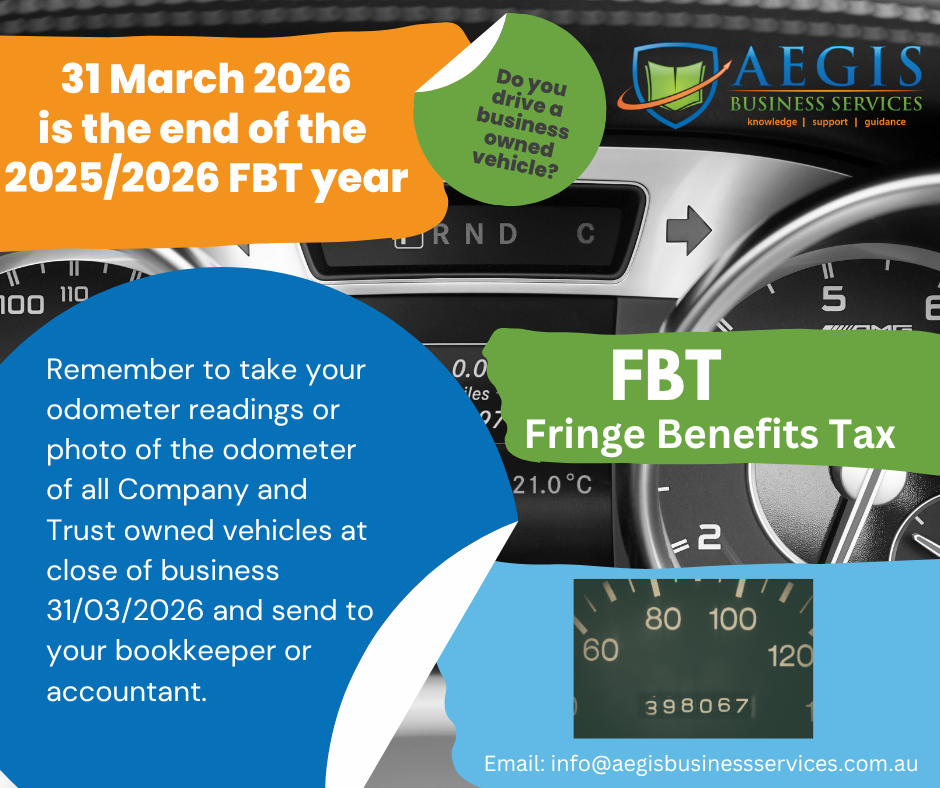
Today, 31 March 2026, is the last day of the current FBT year.
Before close of business today, we want to pause and ask a few simple, plain English questions — because this is exactly how the ATO recommends employers think about FBT:
Have you, at any time this year:
- Provided your employees (or family members) with a vehicle?
- Let someone use a work car?
- Paid for or reimbursed meals, drinks or entertainment?
- Given staff any perks, noncash benefits or reimbursements?
If you answered yes to any of the above, FBT may apply — even if you didn’t think of it as a “fringe benefit” at the time.
FBT is an area the ATO is actively reviewing, particularly for small and family owned businesses, and especially where vehicles and entertainment are involved.

What Is Fringe Benefits Tax?
Fringe Benefits Tax is paid by employers, not employees, when benefits are provided outside of normal wages.
FBT is:
- Separate to income tax and BAS
- Lodged via a separate FBT return
- Required even if the end result is nil tax payable
One of the biggest issues the ATO sees is that business owners don’t always realise they are providing a fringe benefit at all — which is why we encourage these conversations early and often.
Motor Vehicles: The Biggest FBT Risk Area
The ATO has been very clear:
🚗 Private use of work vehicles is the number one FBT audit hotspot.
FBT can apply if:
- The vehicle is owned or leased by the business, and
- It is available for private use
👉 The car does not need to be used privately often.
If it’s available for private use, FBT is triggered.
Logbooks Are Mandatory – No Exceptions
A valid logbook is required for all business vehicles, even where you believe the vehicle is used 100% for business.
The ATO has confirmed:
- There is no alternative recordkeeping option for car logbooks
- If you want to use the operating cost method, a logbook is mandatory
-
Without a valid logbook, you are generally forced to use the statutory method, which often results
in higher FBT
What makes a logbook valid?
A valid logbook must:
- Cover a continuous 12 week period
- Record every journey
- Include:
- Date
- Start and end odometer readings
- Kilometres travelled
- A clear business purpose (writing “business” alone is not sufficient)
No Logbook? Statutory Method Applies
If there is no valid logbook:
- The ATO will not accept a claim of 100% business use
- The statutory method must be used
- This often results in unexpected FBT liabilities
Many ATO adjustments and penalties arise simply because logbooks:
- Don’t exist, or
- Don’t meet legislative requirements
✅ Action Required Today: Odometer Reading
Because today is the last day of the FBT year, please ensure you:
✅ Record the odometer reading as at close of business (COB) today – 31 March 2026
This applies to:
- Vehicles with logbooks
- Vehicles without logbooks
- Vehicles believed to be 100% business use
A quick photo of the dashboard on your phone is perfectly acceptable and strongly recommended. Send us a copy!
A Common Myth: “All Utes Are Exempt”
This is one of the most common misunderstandings we see.
🚫 Not all dualcab or commercial utes are automatically exempt from FBT.
For an exemption to apply:
- The vehicle must meet specific eligibility criteria, and
- Private use must be strictly limited to:
- Travel between home and work
- Travel incidental to work
- Other use that is minor, infrequent and irregular
If both conditions are not met, FBT applies.
Entertainment: Another Overlooked Area
FBT can also apply to entertainment, including:
- Meals and drinks
- Staff lunches or celebrations
- Christmas parties
- Event tickets
The tax treatment depends on:
- Who attended
- Where it occurred
- How it was recorded
The ATO has noted that staff amenities and meal accounts are often overlooked when reviewing FBT obligations.
No FBT Payable ≠ No Records
This is critical.
Even where:
- An exemption applies, or
- The FBT result is nil
👉 Records must still be kept to support that position.
The ATO regularly sees businesses with no FBT payable but insufficient documentation, which can still lead to audits and penalties.
What You Should Do Right Now
As at today, 31 March 2026, we recommend:
- 🚗 Record all vehicle odometer readings
- 📘 Ensure logbooks are valid and current
- 🧾 Review meals, entertainment and staff amenities
- 📂 Make sure records are complete and accessible
- 📩 Contact us if you’re unsure whether something is a fringe benefit
Early action today makes FBT simpler, cheaper and far less stressful.
We’re Here to Support You
FBT has been around for decades, yet vehicles and recordkeeping remain the biggest problem areas.
Our role is to support, educate and guide you, so you stay compliant and pay no more tax than required.
If you have vehicles, provide perks, or aren’t sure where you stand — please reach out. We’re here to help.